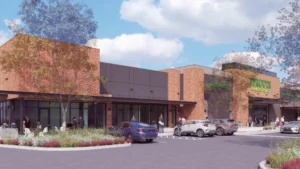

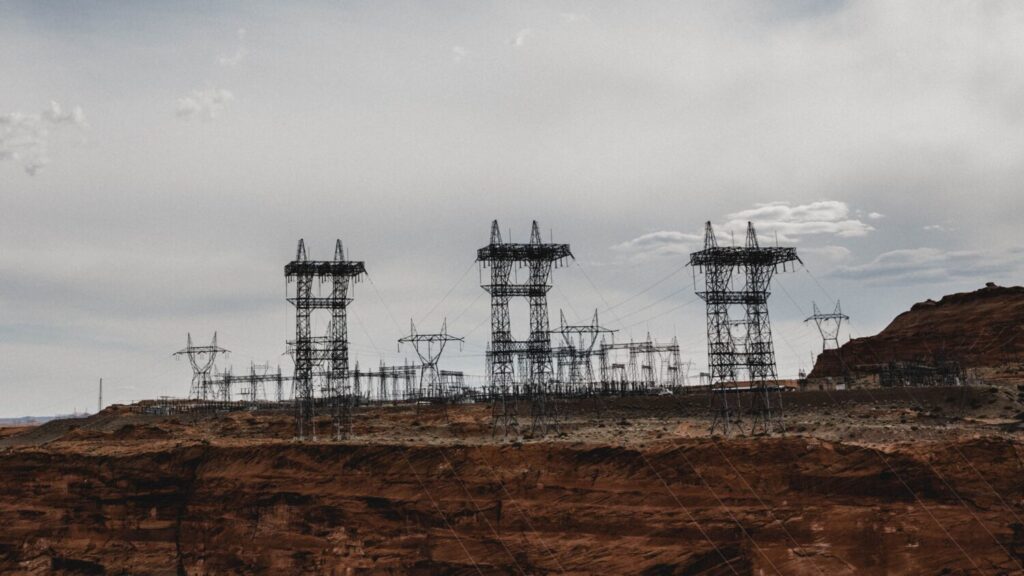
Arizona Attorney General Kris Mayes announced on August 31, 2026, that she wants the state to stop approving and building new data centers. She is focused on large AI-focused projects. She cannot do it alone — she needs the governor and lawmakers to act. Republican legislative leaders have not signaled support.
Your power bill is already carrying part of this — and it could get heavier
If you are an APS customer, you have already absorbed one hit. The Arizona Corporation Commission approved an 8% rate hike on February 22, 2024. It took effect March 8, 2024. That added about $10.50 a month to the bill of a typical customer using 1,050 kilowatt-hours per month. That increase is already baked in.
Now APS has filed a new rate case. It seeks a 13.99% net revenue increase. For a typical household using 1,000 kWh per month, that is roughly $20 more per month. Both APS and Tucson Electric Power cite data center infrastructure costs as a major driver. If the pending case is approved as filed, the cumulative increase above your pre-2024 baseline is about $30.50 per month.
Mayes’s office has intervened in the APS rate case. That puts the state’s top law enforcement official directly against the utility serving about 1.4 million customers. That is not a routine move.
There is a neighborhood livability angle too. An Arizona State University study found that air-cooled data centers can raise temperatures in downwind neighborhoods by as much as 4 degrees Fahrenheit. In a metro that already sets heat records, 4 degrees is not a footnote. Mayes’s office added that even a one-degree rise can push up residents’ air conditioning use and energy costs.
What AG Mayes is asking for — and what she actually has power to do
Mayes is urging Gov. Katie Hobbs and state lawmakers to pass legislation halting all new data center approvals. She cannot unilaterally stop construction. Her office can intervene in utility rate cases and file legal actions. But a construction moratorium requires legislative action and the governor’s signature.
Republican legislative leadership has not backed that call. Without their support, the path to a construction pause is narrow. What Mayes can do is build public pressure, hold town halls, and use her office’s legal standing in regulatory proceedings — which she is already doing.
Two different pauses: the tax moratorium already signed vs. the construction halt Mayes wants now
These are not the same thing, and the difference matters.
In June 2026, Gov. Hobbs signed HB 4168 into law. It bars the Arizona Commerce Authority from accepting new data center applications for the state’s sales tax exemption program. The bar runs from July 1, 2026 through June 30, 2029. That is a three-year pause on a financial incentive. It does not stop anyone from building a data center. A company can still break ground — it just cannot apply for that particular tax break during this window.
What Mayes wants is a halt on approvals and construction itself. That is a separate legal instrument. No amount of the tax pause stops a project that does not need the exemption to move forward.
Water math: what a thirty-percent Colorado River cut plus a projected demand spike means for Phoenix taps
The Department of Interior cut Arizona’s Colorado River allocation by nearly 30%. Cities like Phoenix, Mesa, and Scottsdale depend heavily on Colorado River water. It reaches them through the Central Arizona Project. That cut is already in effect.
A 2025 Ceres analysis projected that data center water demand in the greater Phoenix area could spike by more than 450%. That is if all proposed projects move forward. Less supply, potentially far more industrial demand — that is the core of Mayes’s water argument.
Arizona had nearly 98 data center facilities operating and 86 more planned or under construction as of July 2026. That ranks seventh in the nation per Pew Research Center. A 2026 ASU study cited by the Congressional Research Service counted 66 data centers completed or under construction in Central Arizona. The breakdown: 25 in Phoenix, 8 in Mesa, 5 in Scottsdale, and 9 in the Tucson area.
Mayes has also pointed to reports of Wall Street-backed firms trying to pipe groundwater from La Paz County to Phoenix for data center use. La Paz County residents oppose it. In January 2026, Arizona designated the Ranegras Plain Groundwater Basin as the state’s eighth Active Management Area. Groundwater there had fallen more than 200 feet since the 1980s. Pumping was occurring nearly ten times faster than natural recharge.
The Ahwatukee ground zero: Menlo Digital’s campus at 48th Street and Thistle Landing Drive
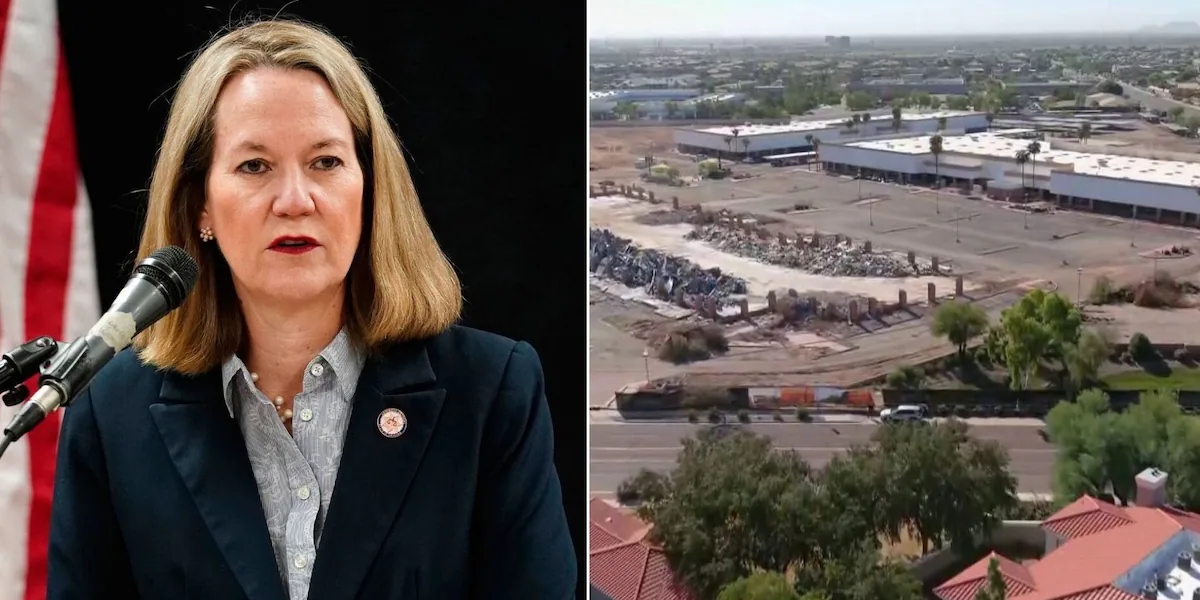
AG Mayes has called for a statewide pause on new data center construction and will hold an Ahwatukee town hall on October 14, 2026. (AZFamily / Fox 10)
The Menlo Digital project — proposed by Menlo Equities — sits at the southwest corner of 48th Street and Thistle Landing Drive in Ahwatukee. It is a 38-acre campus. It has five buildings totaling 1 million square feet. It is designed to draw more than 257 megawatts of utility power. The project received preliminary approvals in 2024.
The resident coalition NoDataCenterAhwatukee.org says the 257 MW facility would consume six times more electricity than all 28,000-plus Ahwatukee homes combined. The coalition also documents that backup diesel generators are tested monthly. They run at full capacity for roughly 30 minutes every 30 days. If grid power fails, they run continuously.
An air permit hearing is still pending. That is a key remaining hurdle. It is also one of the few points where public comment can still formally shape the project’s path.
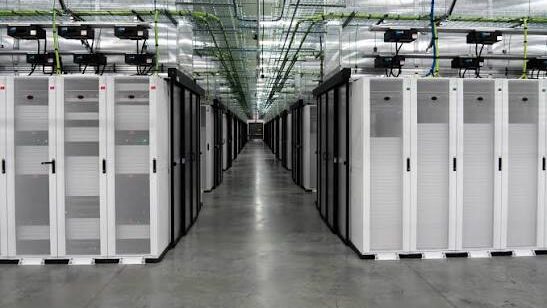
Hyperscale data centers like the proposed Menlo Digital campus house thousands of server racks requiring continuous power and cooling. (stock)
The industry’s counterargument: jobs, taxes, and economic momentum
The data center industry and the Arizona Chamber of Commerce argue that a pause would cost the state real economic ground. A 250 MW center can generate close to $45 million in annual property taxes. The sector also brings construction jobs and long-term tech employment.
The existing subsidy structure cuts against the tax revenue argument, though. Arizona’s Department of Revenue estimates the state’s Computer Data Center sales tax exemption costs about $38 million per year in foregone revenue. Good Jobs First research found Arizona’s data center tax subsidy costs grew by 1,000% in recent years. Under HB 2822 from 2022, qualifying data center equipment is valued at only 2.5% of acquisition cost for property tax purposes. That sharply reduces what counties collect on billions of dollars of equipment.
What the Pinal County vote signals for residents Valley-wide
On August 26, 2026 — five days before Mayes made her announcement — the Pinal County Board of Supervisors voted 4-1 against the La Osa Energy Center rezoning. The proposed Vermaland campus would have included 11 data center buildings and a 500-megawatt natural gas plant. It covered more than 3,300 acres about 12 miles outside Eloy. The developer had already offered an 80% reduction in scale. The board still said no.
About 300 people attended the hearing. More than 150 submitted cards in opposition. Residents delivered nearly three hours of testimony. The county set up five overflow rooms across three buildings to handle the crowd. Rural Arizona Engagement and Pinal Code Watchers led the opposition.
The lesson for other Valley communities is clear. Organized, sustained presence at public hearings can change outcomes — even after a developer makes major concessions. Pinal County has no data center definitions in its zoning code. Residents are now pushing the county to write rules before the next application arrives.
For more on how the Valley’s development landscape is shifting, see our coverage of the Arizona data center backlash and rejected projects across the Phoenix Valley, and our guide to Colorado River cuts and what they mean for Phoenix Valley homeowners.
The October 14 Ahwatukee town hall, and what comes after
AG Mayes will hold a town hall in Ahwatukee on October 14, 2026. It focuses on the Menlo Digital project. As of August 31, 2026, her office had not released venue details or a start time. More information was promised in the weeks ahead. Watch the AG’s office announcements and NoDataCenterAhwatukee.org for updates.
The more important legislative timeline: Mayes needs both Gov. Hobbs and the Republican-led Legislature to act. Hobbs signed the tax incentive pause but has not committed to a construction moratorium. Without Republican legislative support, a construction halt does not move. Residents who want to influence that outcome can contact their state legislators directly. That is where the actual decision will be made.
The Menlo Digital project’s air permit hearing is expected in November. That is the nearest formal proceeding where Ahwatukee residents can put comments on the record. Missing that window means waiting for the next one.